People are being invited to have their say on proposed works to support the future introduction of grazing cattle on a County Durham heathland.
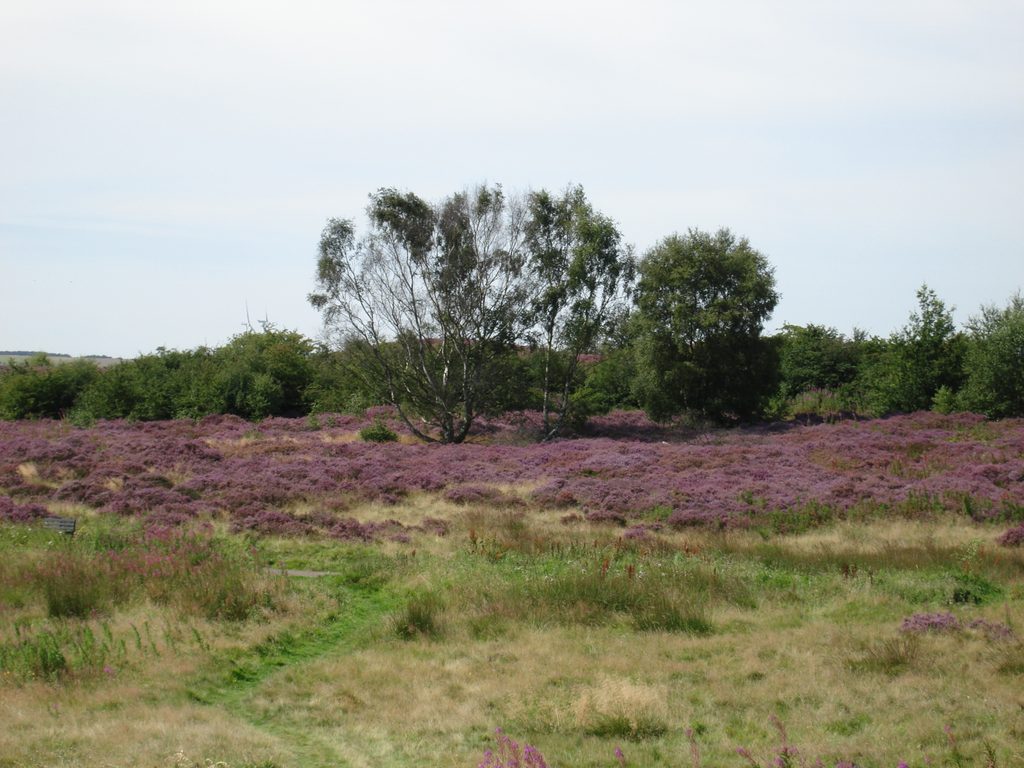
Durham County Council is considering GPS-controlled conservation grazing as an option for Waldridge Fell, near Chester-le Street, to help improve biodiversity and support its future management.
As part of these proposals, the council is looking to install two new sections of perimeter fencing in the southern part of the fell along with gates to continue public access.
Waldridge Fell is an incredibly rare lowland heath environment, and a Natural England Site of Special Scientific Interest, a designation given only to the best wildlife habitats. It is also Common Land, which means the local authority must apply to the Secretary of State for permission for the fencing.
Ahead of this application, a consultation has been launched to gain people’s views on the proposals, which would ultimately see grazing introduced in certain areas within the fenced off land. To ensure the cattle stay within the designated areas, cutting edge GPS technology would be used that removes the need for further fences. This approach is being adopted by many farmers and is transforming conservation efforts in nature reserves across the country.
Jeff Talbot, the council’s clean and green manager, said: “Grazing is the most effective and sustainable way to protect and maintain habitats. It’s a method that has been used to shape our landscapes for centuries, and, by introducing it at Waldridge Fell, we can further enhance this beautiful and important heathlan
“We know Waldridge Fell is a popular place for locals and visitors to walk and connect with nature. That’s why we are keen to hear what people think of the plans and are encouraging residents, and anyone with an interest in conservation, to take part in our consultation.”
Key benefits of conservation grazing include:
· Controls scrub and other dominant species preventing them from outcompeting heather and other heathland plants.
· Maintains a variety of vegetation heights and ages, creating habitats for a wider range of birds, reptiles, invertebrates and plants
The consultation is running on the council’s online consultation and engagement platform Let’s Talk County Durham until Monday 26 October. To take part, visit www.letstalkcountydurham.co.uk.
Paper copies of the survey will also be available at drop-in sessions, with further details to be shared soon, and on request from .