Serious concerns are being raised about the viability of a proposed cabin development at Hamsterley Forest, as new evidence highlights changing visitor behaviour, economic pressures, and a lack of supporting demand data.
The scheme, involving large-scale holiday accommodation in a publicly owned forest, is being promoted as an economic boost. However, critics argue it is based on outdated assumptions that no longer reflect current conditions.
The Hamsterley Forest Action Group (HFAG) has led ongoing scrutiny of the plans, identifying significant gaps in evidence and questioning whether the development is justified.
Economic Reality vs Planning Claims Across the UK: households are facing continued financial pressure due to rising energy costs, housing expenses, and inflation. This has led to: – Reduced discretionary spending, fewer overnight leisure trips, increased demand for low-cost, local outdoor activities. At the same time, tourism data from Visit County Durham, VisitEngland, and the Office for National Statistics shows that while visitor numbers have partially recovered, spending per visitor remains under pressure.
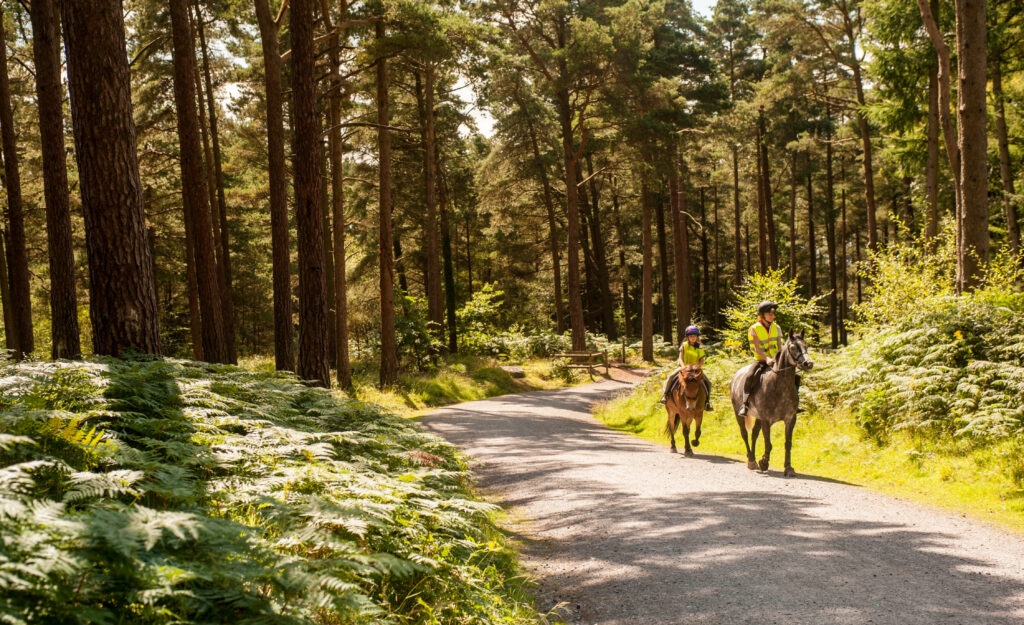
Mismatch Between Proposal and Reality Hamsterley Forest currently operates primarily as a day-visitor destination, with most visitors travelling short distances and not staying overnight. Critics argue there is: No clear evidence of sustained growth in demand, No justification for large-scale overnight accommodation, Increasing evidence of fluctuating or reduced visitor numbers.
Business Model Under Pressure The development relies on the model used by Forest Holidays Ltd, which depends on: High occupancy rates, Premium pricing, Discretionary consumer spending. However, published financial data highlights exposure to rising costs and economic uncertainty, raising concerns about long-term viability.
Impact of Public Scrutiny HFAG has played a key role in: Securing media coverage, Submitting Environmental Information Requests, Identifying gaps in environmental and infrastructure data, Challenging economic assumptions. This has contributed to increased scrutiny of the application and delays in its progression.
“This development is being promoted as an economic opportunity, but the evidence suggests the opposite. At a time when people are spending less and choosing cheaper leisure options, there is no clear demand for this type of high-cost accommodation at Hamsterley Forest.”
Conclusion: The combination of economic pressures, changing visitor behaviour, and a lack of supporting evidence raises serious concerns that the development is: – Economically fragile, Poorly timed, Not justified by current data.
Andy Richardson