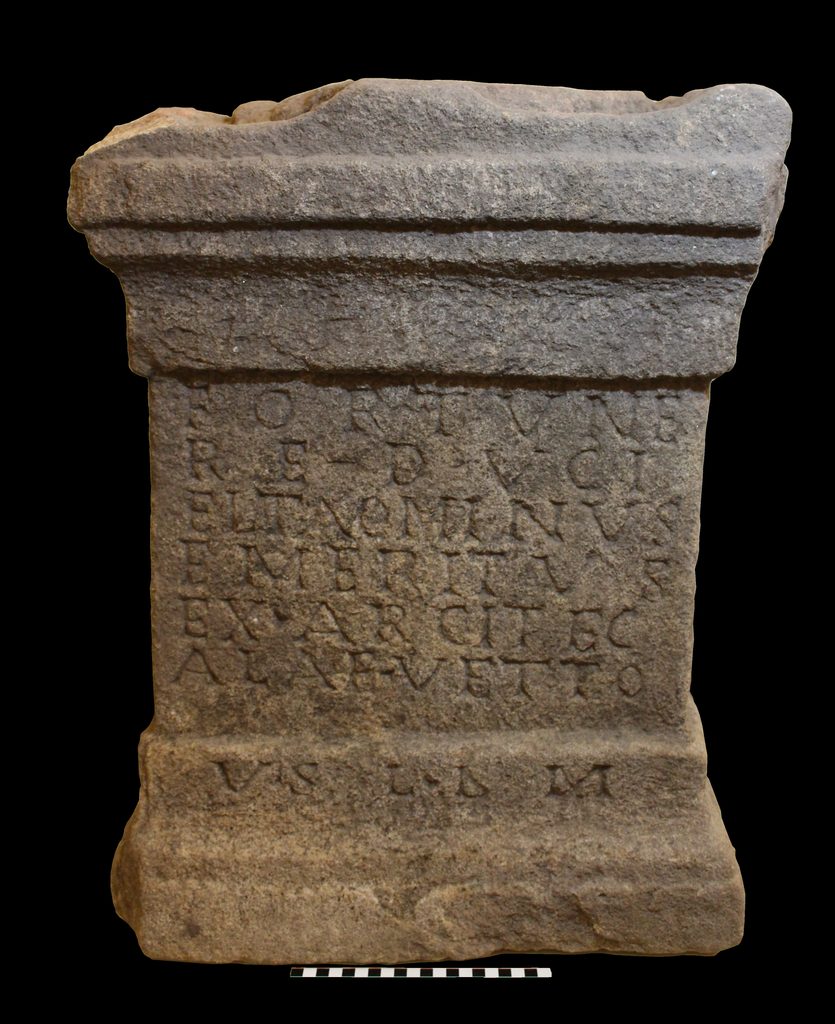
A Roman altar dedicated by a soldier grateful for his safe return home will be on display in Bishop Auckland this autumn, offering a remarkable glimpse into faith, travel, and everyday life almost 1,750 years ago.
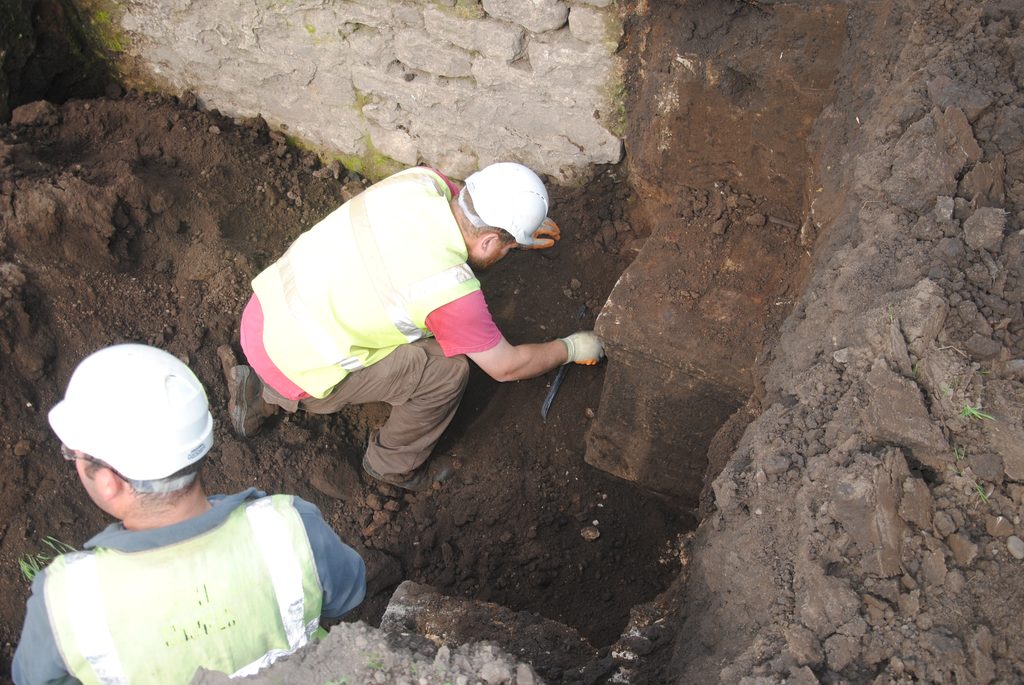
The altar, discovered in 2023 in excavations led by Durham University’s Department of Archaeology at Binchester Roman Fort, will be displayed at the Faith Museum at Auckland Palace as part of The Auckland Project’s growing exploration of the area’s rich Roman past.
Dating from around AD 275, the altar was dedicated to Fortuna Redux – the Roman goddess of safe homecoming – by a retired military architect named Eltaominus, who had served with the Ala Vettonum cavalry unit based at Binchester.
Its inscription suggests Eltaominus considered Binchester his home and may have commissioned the altar after returning safely from a dangerous journey.
Originally installed in a specially designed niche in the changing room of Binchester’s bathhouse, the altar would have been highly visible to other bathers. Offerings, including wine, spices, grain, or meat, may have been poured into a hollow in its top, while a carving of a bull decorated one side.
The altar was later discarded and rediscovered by archaeologists centuries later.
Dr John Castling, Archaeology Curator at The Auckland Project, said: “What makes this altar so fascinating is that it gives us a rare insight into the life and beliefs of an individual who lived at Binchester around 1,750 years ago. We know his name, Eltaominus; we know something about his military career, and through this altar we can begin to understand what mattered to him personally.
“Dedicating an altar to Fortuna Redux was a way of giving thanks for a safe homecoming, so behind the archaeology is a very relatable human story. Eltaominus had returned from what may have been a difficult or dangerous journey and wanted to express his gratitude publicly.
“His name, his gods and the world he inhabited might seem distant to us, but the emotions represented by the altar are anything but. Relief at coming home safely, gratitude after a difficult journey and the desire to celebrate that return are experiences we can still understand today.
“That is what makes objects like this so powerful. Archaeology may sometimes feel like it is about buildings, dates and distant events. But it is ultimately about people who were not so dissimilar to us. Discoveries like this allow us to get much closer to an individual and recognise that although there are many differences, there’s also much common ground between their lives and our own, even across eighteen centuries.”
The altar goes on display from Wednesday 23 September, as The Auckland Project begins a new chapter in the story of Binchester Roman Fort, having taken over its day-to-day management from Durham County Council.
Known to the Romans as Vinovia, Binchester was founded around AD 80 and became one of the largest Roman military installations in northern Britain. The fort boasts exceptionally well-preserved remains, including the Commanding Officer’s house and two impressive bathhouses with intact underfloor heating. Strategically positioned on Dere Street, a major Roman road, the fort supported a thriving civilian settlement and remained occupied until the end of the Roman period.
The Auckland Project has enhanced the visitor experience at Binchester with new educational and family spaces; an expanded food and drink offer and a transformed visitor centre.
The site will also play a key role in the charity’s Learning and Skills programme, engaging students of all ages from across the North East and beyond. There are ambitions to undertake further archaeological excavations to deepen understanding of the site from 2028.
The Auckland Project is a regeneration charity transforming Bishop Auckland into a leading visitor destination through its unique collection of heritage attractions, galleries and gardens.
Visitors can explore Auckland Palace, the Spanish Gallery, the Mining Art Gallery, and the Faith Museum, alongside meticulously restored gardens and the historic 150-acre Deer Park.
Find out more at www.aucklandproject.org.