New restrictions in city to improve safety and reduce congestion
NEW restrictions are coming into place in Durham City, improving pedestrian safety and reducing
congestion.
On Monday 15 September, Durham County Council Traffic Regulation Order amendments will go
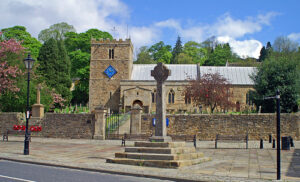
live bringing several changes. In Market Place, the installation of no entry signage next to St
Nicholas’ Church will enforce the current informal one-way system around the area. This will
decrease the numerous access points that vehicles can use to enter the area and make it clearer to
pedestrians which direction vehicles will be travelling from.
Meanwhile, the Market Place, Silver Street and Old Elvet Bridge will be getting amended
pedestrian zone times. Currently they allow for access between 4pm and 10am, to accommodate
loading and unloading. However, there have been cases where these have been misused by people
parking their vehicles in the zones overnight.
The new times in the Market Place and Silver Street will be 10am to 4pm and 10pm to 4am. For
Old Elvet Bridge, the zone times will be 10am to 2am. This will further restrict vehicle access within
both locations by preventing overnight stays and ensuring the safety of pedestrian movement, while
still allowing for loading and unloading at reasonable times.
Cllr Tim McGuinness, Durham County Council Cabinet member for rural, communities and
highways, said: “We recognise that when pedestrians visit Durham City, they want to feel safe and
secure. These no entry signs in the Market Place will enforce a one-way system so that pedestrians
know where vehicles may be entering from, while also reducing congestion in the area.
“Meanwhile, the amended pedestrian zones in the Market Place, Silver Street and Old Elvet
Bridge, are vital for reducing the number of vehicles in these zones, while ensuring they can still load
and unload. Following extensive consultation, these measures have been carefully considered to
protect pedestrians while keeping the areas accessible to drivers.”
All proposals have undergone three stages of consultation, each allowing for a three-week
response timeframe. Residents, emergency services, elected members, the City of Durham Parish
Council, businesses and other service providers were all consulted on the proposals.
Consultation for residents and businesses was carried out twice to ensure all views were captured.
They were then presented at a highways committee meeting and approved by the council’s
corporate director of neighbourhoods and environment.