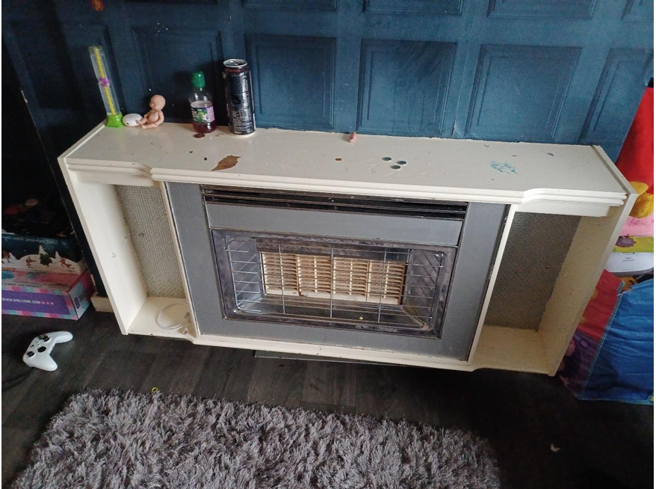
A landlord has been forced to pay £28,500 after the mother of a newborn baby and child with disabilities were living in a property blighted with damp and mould, no heating or hot water, and electrical issues.
A vulnerable household living in Annfield Plain informed Durham County Council that it had no heating due to a broken boiler.
The owner of the property Kristoffer Jon Dalziel, aged 34 and sole director of Dalziel Ventures LTD based at Drum Industrial Estate, Chester-le-Street, was contacted and agreed to carry out repairs.
Following an informal inspection by the council’s Selective Licensing team in December 2025, a report was sent to Dalziel which notified him of the many problems at the property and informed him that improvements needed to be made within one month. However, an email from Dalziel advised that his contractor was not willing to proceed due to issues at the property.
In an email to the defendant, his tenant, and supporting professionals, the council attempted to facilitate constructive communication, agree access arrangements, and help the landlord progress with the works. Dalziel and his contractor were also asked to confirm when works were proposed to start.
Further serious welfare concerns were raised within the household following the hospitalisation of the tenant’s disabled child. The council was then told works were due to start in January 2026 and it helped the tenant prepare the property for these to take place.
After failing to carry out repairs, despite being given repeated opportunities; communication becoming limited and ineffective; and evidence to support his claims that multiple contractors had refused to attend not being forthcoming, the local authority decided to carry out a formal inspection of the property.
Continues…
Following this inspection and survey in February 2026, the council found no repairs had taken place and that there were multiple hazards still evident at the property, including excess cold, damp and mould, carbon monoxide, and electrical issues.
Dalziel was served with a Section 11 and Section 12 Housing Act 2004 Improvement Notice, which listed the hazards found in the building and provided the remedial actions which would remove these hazards. The works to fix the heating were to be completed towards the end of March 2026, and all other remaining works were to be completed by April this year.
Following a warning to the defendant in early March 2026 of potential legal consequences if works remained outstanding following the deadline, the council was informed by him that the tenant was moving out, although no confirmed move had been arranged.
After an inspection in late March, works had still not been completed and there was no contact from Dalziel.
During interview, he accepted that he had been given an opportunity to fix the problems before formal enforcement action was taken. He also admitted that he had not personally attended the property after becoming landlord, other than when he viewed it before purchase.
Peterlee Magistrates’ Court heard that the repairs were not carried out, with claims the tenant had refused to allow entry, which they denied.
Dalziel had also failed to obtain a selective licence for the property, along with two other properties in Stanley following the introduction of the scheme in April 2022.
He was found guilty and the court imposed a £7,000 penalty for each of the three properties and £5,000 for the improvement notice breach.
He was fined £26,000 and ordered to pay £500 in costs and £2,000 as a victim surcharge.
Ted Murphy, Durham County Council building safety and standards manager, said: “The landlords lack of action in this case is shocking. This case and conviction demonstrate the continuing need to regulate the sector and selective licensing can be an effective tool to improve standards. It also allows us to take effective enforcement against landlords that are non-compliant or criminal and put tenants at risk”