LOVE YOUR GARDEN
By Sara Milne
If your garden is in a mild location in the UK then snowdrops, crocuses and daffodils will be showing their heads in February, but beware – the weather is changeable and can still be bring days that are extremely cold and full of frost.
Time to give your garden a little bit of love with a quick tidy up and you could also start sowing seeds and planting – weather permitting. Growing your own plants from seeds is one of the most rewarding and economical ways of getting your garden going after the winter months. For grow your own gardeners February is all about cultivating and prepare seed beds (if the ground isn’t frozen) and covering them with clear polythene, cloches or fleece to warm up the soil before sowing. From mid-February you can sow tomato and cucumber seeds for growing in greenhouses, and plant out garlic and shallots in light soils. This is also your last chance to winter prune apples, pears and autumn fruiting raspberries and to plant bare rooted raspberries.
If you’re growing edibles in containers then you should focus on planting hardy vegetables that are resistant to the cold, such as cabbage and broad beans. You can also plant root vegetables like carrots and parsnips. Container gardening is an excellent option for limited spaces, and if you need to protect some outdoor plantings during extended periods of frost using covers like cloches or fleeces is easy.
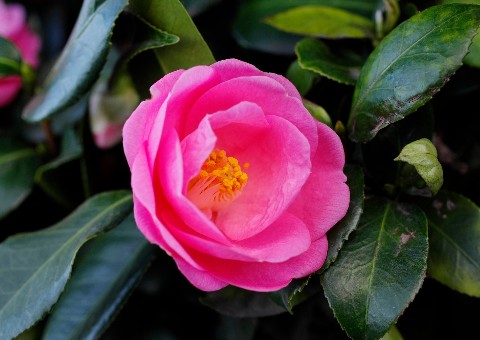
For the romantics among you, camellias are in flower at this time of year, adding a splash of colour to gardens in the dark winter months. They are a wonderful plant to grow in the garden or a container and tend to do best when planted or positioned in a sheltered or shady position. Depending on the variety, you can have them flowering from November through to April and the range of colours is vast, from light pinks to dark reds and stunning whites with single, double and other flower forms.
Out in the rest of the garden it’s time to think about getting ready from the main growing season – and if there is one job to be done this month it’s …applying organic fertilisers, such as well-rotted manure or organic chicken manure pellets, to your soil now. Nutrients are released slowly, so last for the whole life of many crops and flowering plants. A mulch of well-rotted manure also improves topsoil structure.
Some of the other garden jobs for February suggested by the RHS are:
- Prepare vegetable seed beds and sow some vegetables under cover
- Chit potatoes
- Net fruit and vegetable crops to keep the birds off
- Prune winter-flowering shrubs that have finished flowering
- Divide bulbs such as snowdrops
- Lily bulbs can be planted in pots
- Prune Wisteria, Buddleia and Hydrangea
- Renovate overgrown hedges with pruning
- Clear up weedy beds before mulching
- At the end of the month, start cutting back deciduous ornamental grasses to allow new growth to come through