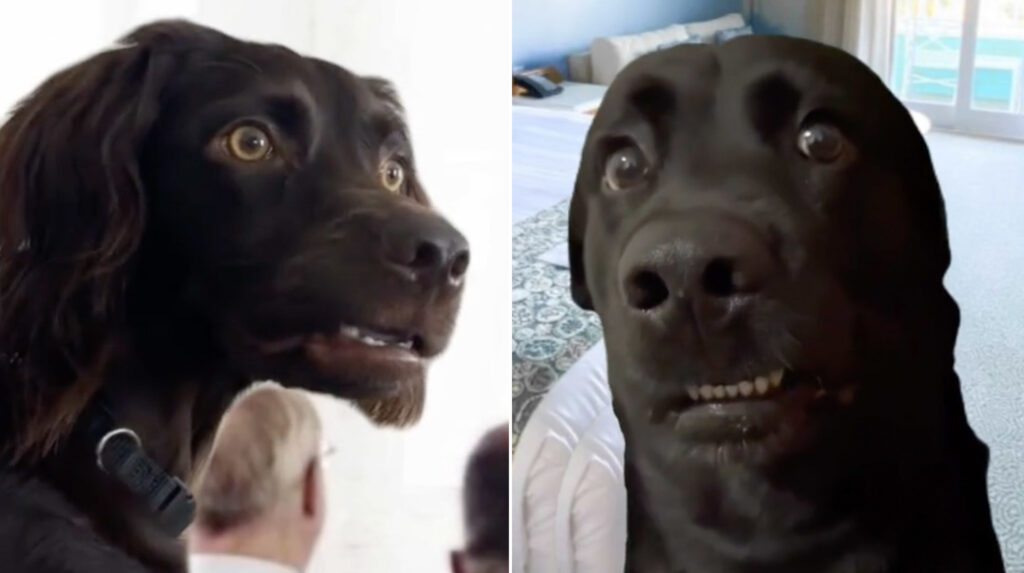
Dog owners are being warned that hugging their pet may not be as comforting for the dog as it feels for the owner, with some dogs simply tolerating the interaction rather than enjoying it.
Jo Hinds, COAPE-certified behaviourist and Dynamic Dog Practitioner at Years, says many owners use hugs to show affection, but dogs do not always understand close physical contact in the same way humans do.
While some dogs may enjoy leaning into their owner or resting close by, others can find being held, squeezed or restricted stressful, especially if they cannot easily move away.
Jo Hinds, COAPE-certified behaviourist and Dynamic Dog Practitioner at Years, says:
“Hugging is a very human way of showing love, but it is not a natural or comfortable interaction for dogs.
Some dogs learn to tolerate hugs because they trust their owner, but tolerance is not the same as enjoyment. If a dog goes still, turns their head away, repeatedly licks you, licks their lips or tries to move out of the interaction, they are giving important information.”
The affectionate habit some dogs secretly find stressful
According to Jo, the issue with hugging is not affection itself, but restraint.
A hug can place pressure around the dog’s body, limit movement and remove their ability to choose whether they stay in the interaction.
Jo explains:
“Many dogs prefer affection that allows them choice. They may enjoy sitting beside you, leaning in, being stroked gently, or choosing to rest near you.
A hug can feel different because the dog is being held in place. For a confident, relaxed dog, that may be fine. For a worried, sensitive, older, sore or overwhelmed dog, it can feel too much.”
Why children need to be especially careful
Jo says families should be particularly cautious around children, who may naturally want to cuddle dogs tightly.
Children may not notice subtle stress signals, and dogs may feel trapped if they are being hugged, grabbed, climbed on or held when they want to move away.
Jo says:
“Children often hug dogs because they love them. The intention is sweet, but dogs need space and choice.”
A dog who is uncomfortable may show several small warning signs before they growl, snap or move away. If those signs are missed, the situation can escalate.”
That is why children should be taught that dogs are not teddy bears. They are living animals with boundaries.”
The warning signs your dog may not like being hugged
Jo says dogs will often communicate discomfort before reacting more clearly.
Owners should look for:
- Turning their head away
- Lip licking
- Yawning
- Showing the whites of the eyes
- Going still or stiff
- Ears moving back
- Tail tucked or held low
- Trying to move away
- Paw lifting
- Panting when not hot
- Avoiding eye contact
- Growling
- Snapping if ignored
Jo says:
“A still dog is not always a calm dog. Freezing can be a major sign that a dog is uncomfortable.
Many people assume a dog is fine because they have not growled or snapped, but dogs often show much earlier signs first.”
Why owners should not punish growling
Jo warns that if a dog growls during a hug, owners should not punish the growl.
Instead, they should calmly stop the interaction and give the dog space.
Jo says:
“Growling is communication. It is a dog saying they are uncomfortable and need the situation to change.
If a dog is punished for growling, they may stop giving that warning in future. That can make interactions less safe because the dog has fewer ways to say they are struggling.”
Better ways to show your dog affection
Jo says owners can still be affectionate with their dogs, but should choose contact the dog actively enjoys.
This can include:
Letting the dog come to you
Invite interaction rather than forcing it.
Stroking gently on areas they enjoy
Many dogs prefer chest, shoulder or side strokes rather than being patted on the head.
Sitting near them without holding them
Closeness does not have to mean restraint or touch.
Using consent checks
Pause after a few seconds of stroking. If the dog leans back in, they may want more. If they move away, let them.
Stroke with one hand
Stroke with one hand instead of two on the side closest to you. This helps the dog feel less trapped and gives them the option to move away if they choose to.
Playing or training together
Affection is not only physical. Games, walks, calm praise and shared routines can all strengthen the bond.
Giving them a safe space
A dog should always have somewhere they can retreat without being followed or cuddled.
The “three-second rule” Jo recommends
Jo suggests owners use a simple three-second check when giving affection.
Stroke the dog gently for around three seconds, then pause and see what they do.
If the dog leans in, nudges for more or stays relaxed, they may be happy to continue. If they move away, turn their head, lick their lips or disengage, stop.
Jo says:
“This is a simple way to give dogs choice.
Affection should be a conversation, not something we do to them regardless of how they feel.”
Jo Hinds’ advice for families
Do not let children hug dogs tightly
Teach gentle strokes and calm interaction instead.
Never let children climb on dogs
Even patient dogs can become uncomfortable or sore.
Watch for subtle stress signs
Lip licking, turning away and freezing can all matter.
Do not disturb sleeping dogs
Dogs should be left alone when resting, eating or retreating to their bed.
Let the dog move away
If they leave, do not call them back for more cuddles.
Supervise children and dogs together
Even trusted family dogs need boundaries and supervision.
Praise calm, respectful interaction
Teach children that giving a dog space is part of loving them.
Jo Hinds, COAPE-certified behaviourist and Dynamic Dog Practitioner at Years, says:
“The idea that dogs should enjoy hugs because they love us is one of the biggest misunderstandings around affection.
Dogs can love their owners deeply and still dislike being held tightly. Those two things can both be true.
What matters is whether the dog has a choice. If they can move away, if their signals are respected, and if affection happens in a way they enjoy, the relationship becomes safer and more trusting.
For families, this is especially important. Children often express love physically, but they need to learn that dogs have boundaries too. A dog turning away, licking their lips or freezing is not being dramatic. They are communicating.
My advice is simple: stop assuming your dog wants to be hugged, and start noticing how they ask for affection instead. Most dogs will show you what they enjoy when we give them the chance.”