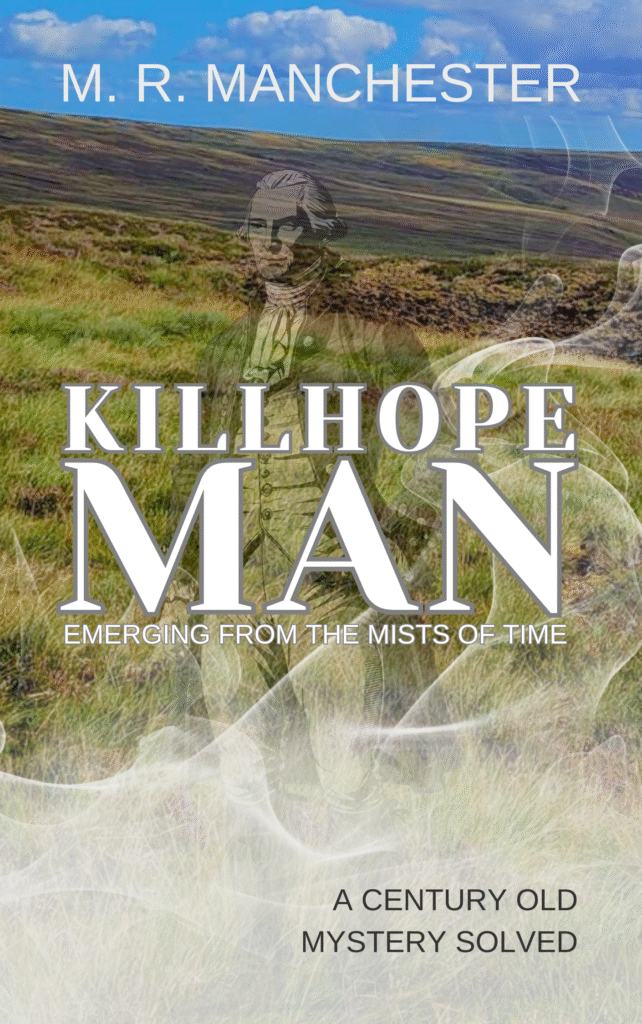
FOR more than a hundred years, the people of Weardale have whispered the same question: Who was the man buried in the peat on Killhope Moor?
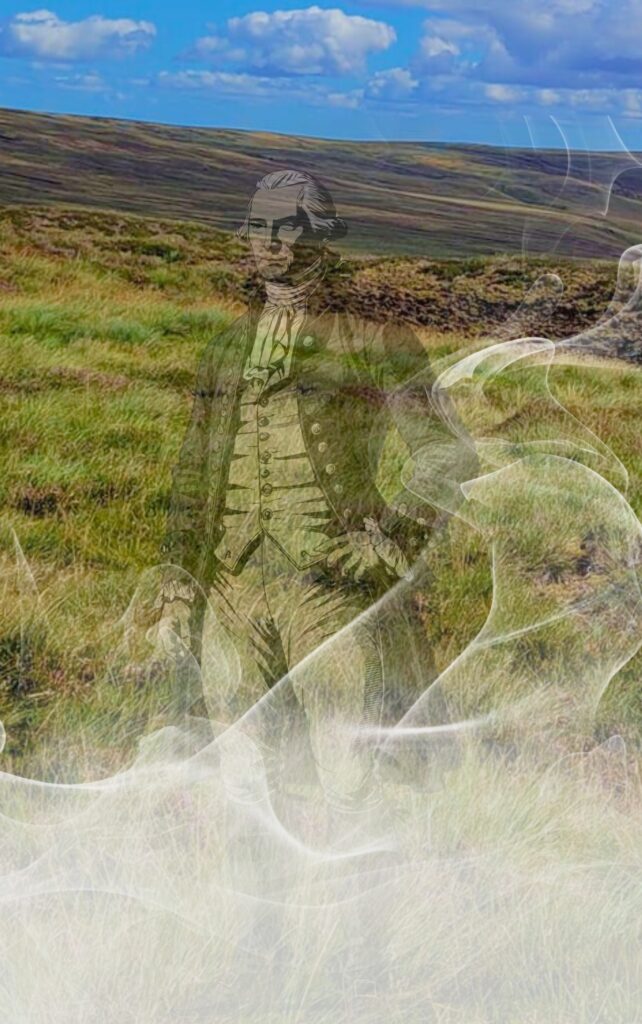
Since his discovery in 1921, “Killhope Man” has haunted local legend — a mysterious figure said to be a fallen Jacobite soldier, hidden in the hills after a long-forgotten battle. His story lingered in fireside tales and family folklore, passed down through generations.
Now, more than a century later, the mystery has finally been solved.
Local archaeologist and author Margaret Manchester has uncovered the truth behind the myth, using a blend of historical research, modern science, and a lifetime’s fascination with the stories that shape the Durham Dales.
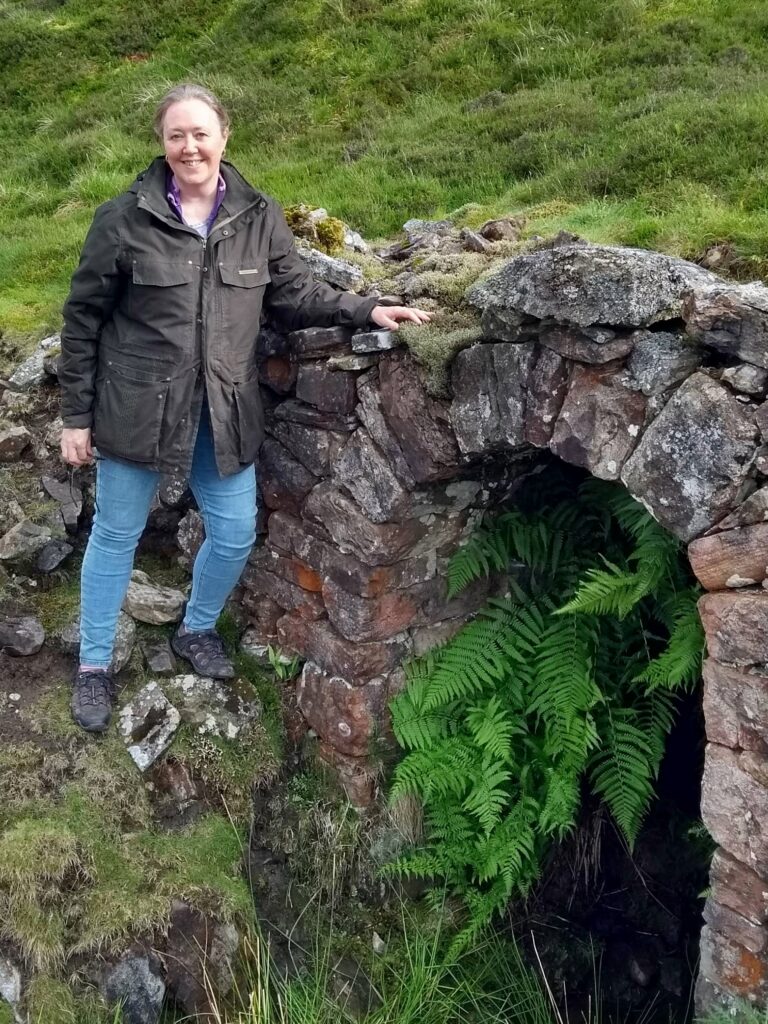
Margaret’s connection to the case runs deep. “When I was a teenager, my great-aunt Mary told me that her uncle, Titus Harrison, had found the body of a man buried on Killhope Moor,” she recalls. “After rummaging through a drawer, she handed me a fragile piece of paper — a newspaper clipping, browned with age — confirming the discovery.”
The clipping told a chilling tale. On Sunday, 28 August 1921, after days of heavy rain, 29-year-old shepherd Titus Harrison was crossing the moor to check his sheep when he noticed some timber jutting out from the peat. Thinking it might be part of an old box, he kicked the decayed wood. What he saw next shocked him to the core — a mass of flaxen hair, still attached to a human skull.
News of the grim discovery spread like wildfire through the nearby villages. Rumours abounded: some said the body was that of a Jacobite rebel fleeing after the 1745 rising; others claimed it was an outlaw, a highwayman, or even a murder victim buried far from consecrated ground. Yet, despite official reports and newspaper interest at the time, the man’s identity was never established.
That was how the tale might have remained — until Margaret, now a respected researcher and Amazon best-selling author of historical family sagas and thrillers, decided to revisit the mystery that had fascinated her since childhood.
Armed with her background in archaeology, local history and genealogy, she began re-examining the evidence of the burial — the body, the coffin, the fabric preserved in the peat. “This was a genuine cold case,” she says. “When you strip away the myths, what emerges isn’t a romantic warrior or a nameless stranger, but a real person with a story worth telling.”
Margaret’s investigation was far from a solo effort. She consulted experts in textile conservation, historical clothing, and forensic science. “Each specialist offered a new piece of the puzzle,” she explains. “What we discovered transformed our understanding of who Killhope Man really was — and how he came to rest on that lonely hillside.”
The results in her booklet Killhope Man: Emerging from the Mists of Time read like the pages of a detective novel — a tale that moves from a shepherd’s shocking discovery to the painstaking work of modern archaeology and historical sleuthing.
Her publication solves more than a mystery. It sheds light on the real individual behind the legend, revealing clues about his origins, his occupation, and perhaps even the circumstances of his death. As Margaret puts it, “He wasn’t a ghost after all — just someone whose story had been forgotten by time. Now we’ve given him back his voice.”