Explore Creativity in the Coalfield at Beamish Museum
Be inspired by the region’s proud mining heritage during a nine-day event at Beamish Museum.
LEARN about local artists and writers and their links to the region’s mining heritage during Creativity
in the Coalfield, at Beamish, The Living Museum of the North, this February Half Term, from 22nd
February to 2nd March 2025.
Head to the chapel in The 1900s Pit Village for daily talks about writer Sid Chaplin. Sid’s works are
mostly set in North East England in the 1940s and 1950s. His novels and short stories are known for
their detail of working class life in our region. Look out for Sid Chaplin’s quotes as you make your
way round The 1900s Pit Village and see a display of mining banners in the band hall.
Discover the story of North East artist Norman Cornish in The 1950s Town. Norman worked in the
pits until 1966 when he left due to a back condition. He then became a full-time professional
artist. Members of the Cornish family will be giving a talk about the life of the artist in the 1950s
welfare hall at 2pm on Sunday, 23rd February and Sunday, 2nd March.
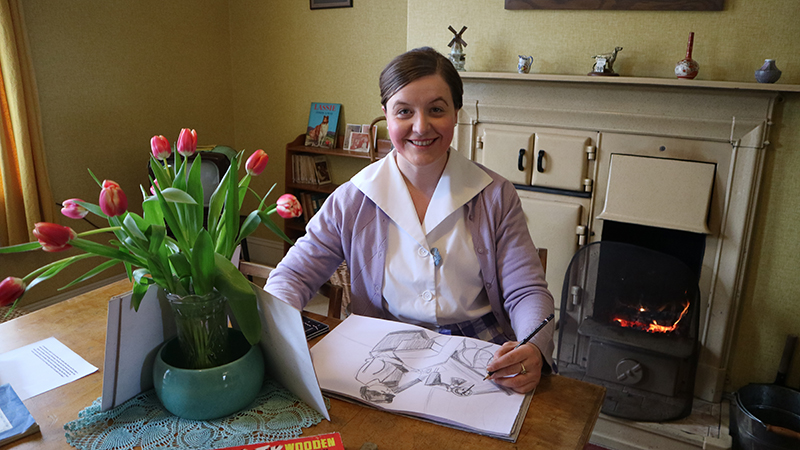
The museum built a replica of Norman Cornish’s home, complete with his studio which was
donated to the museum. Norman’s paintings captured everyday life in Bishop’s Close Street, in
Spennymoor, where he lived both as a child and later with his wife Sarah and their children. Visitors
will also be able to see Berriman’s chip van, which features in many of Norman’s paintings, and have
a go at drawing it themselves.
People can also be inspired by the museum’s collections and try their hand at sketching with
charcoal at 1820s Pockerley Old Hall.
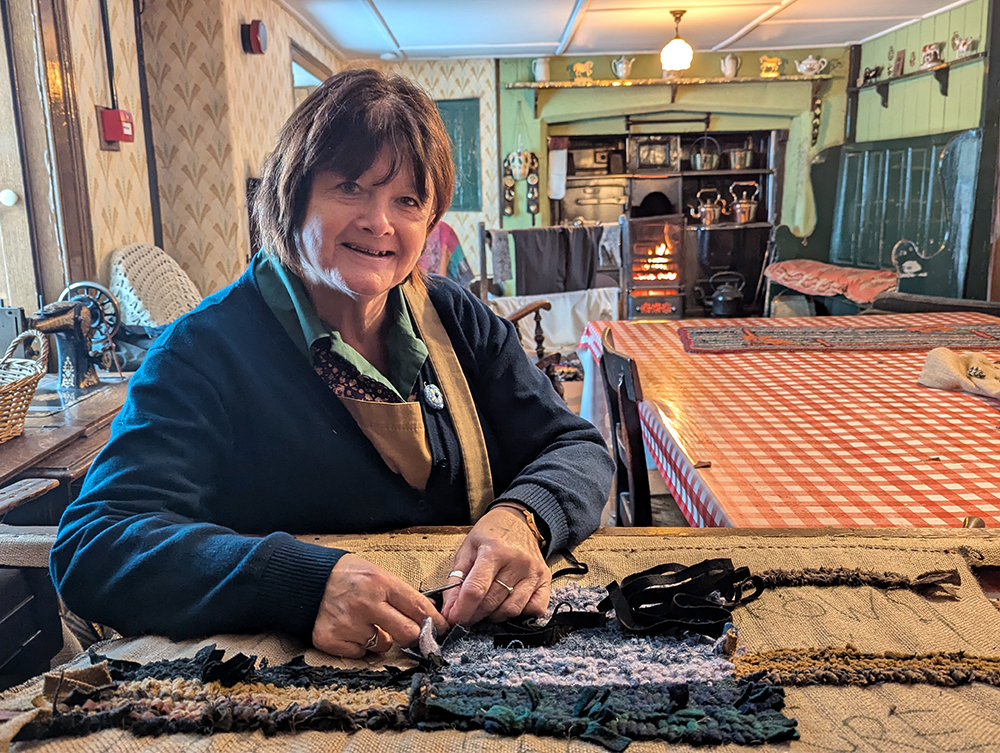
There’s a family trail to complete in The 1900s Town, a selection of quilts from the museum’s
collection will be on display and you can see a display of disaster glass in the Masonic Hall. Buy a
sketch pack from The 1900s Town stalls and draw your visit.
At The 1940s Farm you can make your own “seed bomb” to plant at home. Find out about spar
boxes at 1950s Spain’s Field Farm and try making your own. Created by miners, these beautiful
boxes were a form of folk art displaying minerals.
Lindsay Curry, Assistant Director – Engagement at Beamish Museum, said: “This February Half
Term we’re excited to be celebrating the creativity that has grown from the communities within the
coalfields of our region – it’s a brilliant opportunity for us to explore and discover just how creative
folks were beyond their day-to-day working lives. The depth and variety of talent is amazing – from
literary works and poetry to paintings and drawings, music, dance, and original items of folk art –
inspired by the rich traditions within our North East communities.
“There were many reasons for this creativity shining through as it did. People worked hard and
needed an outlet during the little free time they had – something away from the day to day at the
pit. They may have created objects for use within the home that were both beautiful and functional,
some items, like quilts, may have been made as way of generating some small income, whilst
traditions around music and dance were socially important to many.”
The site on which the County Durham open air museum stands was once at the heart of the
Durham coalfield. Generations of families worked down the North East’s pits – it was the industry on
which the region’s prosperity was built. In 1913, the year of peak production, 165,246 men and boys
worked in Durham’s 304 mines.
Paul Foster, Events Manager at Beamish Museum, said: “The mining industry is a huge part of the
North East’s past, and we share stories about miners and their families in our 1900s Pit Village and
Colliery. This nine-day event will show the more creative side of mining life and give visitors of all
ages plenty of opportunities to show off their creative flair.”
“As with all of our daytime events, Creativity in the Coalfield is included in museum admission and
is free to Beamish Unlimited Pass holders and Friends of Beamish members, so get those passes at
the ready and get creative at Beamish this February Half Term.”
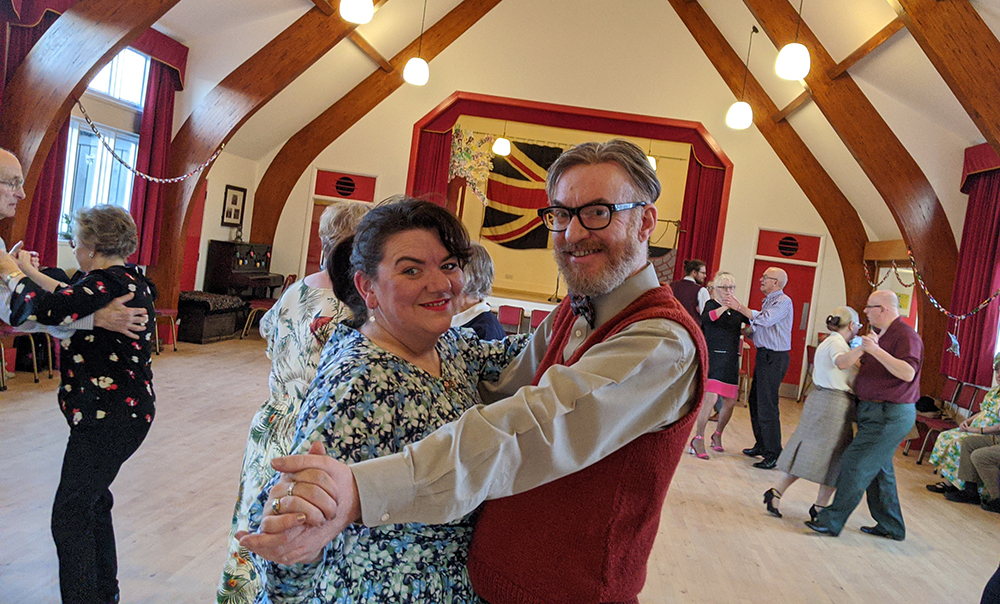
Also during half term, visitors are invited to get their dancing shoes on and join in with a 1950s
tea dance from 12pm to 2pm on Sunday, 2nd March. The tea dance follows broadcaster Angela
Rippon’s Let’s Dance Campaign, which has been designed to get the country moving and promote
the physical, mental, and social benefits of dance.
As well as this special mining-themed event, visitors can step back in time and experience the
unforgettable sights, sounds, smells and tastes of the North East in the 1820s, early 1900s, 1940s
and 1950s across the museum.
From beautiful Georgian gardens and an underground tour of a coal mine to a spot of Edwardian
shopping, delicious traditional fish and chips, exploring The 1940s Farm and getting a fabulous 1950s
hairstyle, there’s something for everyone to enjoy at Beamish.
The award-winning museum opened new exhibits last year, including the Drovers Tavern and
Georgian pottery in the 1820s Landscape and the Grand cinema, electrical shop, toy shop and record
shop in The 1950s Town.
For more information, visit www.beamish.org.uk .