PCC and victims’ campaigner Joy Allen has intensified her calls for urgent action to make Britain’s roads safer for all users as part of a national campaign.
Road Safety Week (November 15-21) is organised by the charity Brake and provides a platform for national and local conversations about reducing fatalities and serious injuries on the UK’s roads.
This year’s theme is Safe People on the Move and the County Durham and Darlington Police and Crime Commissioner has issued a powerful reminder that road safety is everyone’s responsibility and as parents, guardians, residents, employees and businesses we can all help to reduce the risks.
She is also taking the opportunity to push the Government again to prioritise new safeguards proven to reduce the risk of serious and fatal collisions, especially those involving young and inexperienced drivers.
Recent figures released by the Department for Transport (DfT) reveal more than 23,000 people were killed or seriously injured in collisions involving young drivers (aged 17 to 24) in the five years between 2021 and 2025.
Around a fifth of all road accidents that end with death or serious injury involve young drivers, according to the figures.
The PCC, who is Joint National Lead for Roads Policing and Transport on behalf of the Association of Police and Crime Commissioners (APCC), has lobbied ministers relentlessly to overhaul licensing laws to allow young drivers to build experience gradually and safety through graduated driver licensing (GDL), presenting compelling evidence in Westminster alongside bereaved families and campaigners.
Northern Ireland officially introduced the UK’s first GDL system on 1 October 2026, and it is already in place in countries such as Australia, New Zealand, Canada and across the United States, with some reporting a 20-40% reduction in crashes involving young drivers.
The rules include a wide range of targeted measures to reduce risk while allowing young drivers to build experience gradually and safely. These steps include limits on carrying same-age passengers during the evening and a minimum learning period before taking the practical test.
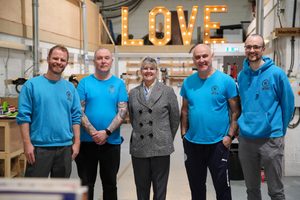
The PCC is also behind a nationwide appeal calling on haulage and logistics firms to back the force-led ‘Life is Precious’ campaign, following the lead of Durham-based firms Katem Logistics Ltd and Stiller Warehousing and Distribution, whose trailers have been wrapped with striking safety messages where they can be seen by thousands of drivers every day to positively impact driver behaviour.
Police and Crime Commissioner Joy Allen said: “Every road death leaves a family facing unimaginable loss, and too many of those deaths are preventable. Driving is a privilege that comes with immense responsibility. Once behind the wheel, a driver is in control of a vehicle that can be lethal if used recklessly.
“I have met too many families whose lives have been devastated by the loss of a loved one on our roads. We cannot accept this as inevitable.
“Graduated Driver Licensing is already saving lives elsewhere and should be introduced here without further delay. This is not about restricting young people’s independence. It is about giving them the safest possible start to their driving lives, reinforcing responsible behaviour behind the wheel and preventing more families from suffering needless tragedy.”
Throughout Road Safety Week, the PCC’s Community Safety Coordinators will be out in communities across Durham gathering responses to a new consultation on road safety, alongside raising awareness of the Commissioner’s road safety goals.
Safer roads are a key priority in the Commissioner’s Police, Crime and Justice Plan, reflecting residents’ concerns about road safety. In the Commissioner’s latest survey, drink and drug driving ranked as the top concern, followed by the use of off-road bikes and e-scooters, and drivers using mobile phones at the wheel.
Her Plan outlines a series of national and local commitments to improve driving standards and reduce fatalities and serious injuries on the roads to achieve the ‘vision zero’ mission – every day without a road death.
These include lobbying for a reduction in the drink drive limit, mandatory National Driver Offender Retraining Scheme courses for those found guilty of dangerous driving, licence suspension for those arrested and charged with drink/drug driving offences until attendance at court, increased capacity for drug driving enforcement and improvements in testing equipment and expanding workplace drug and alcohol testing.